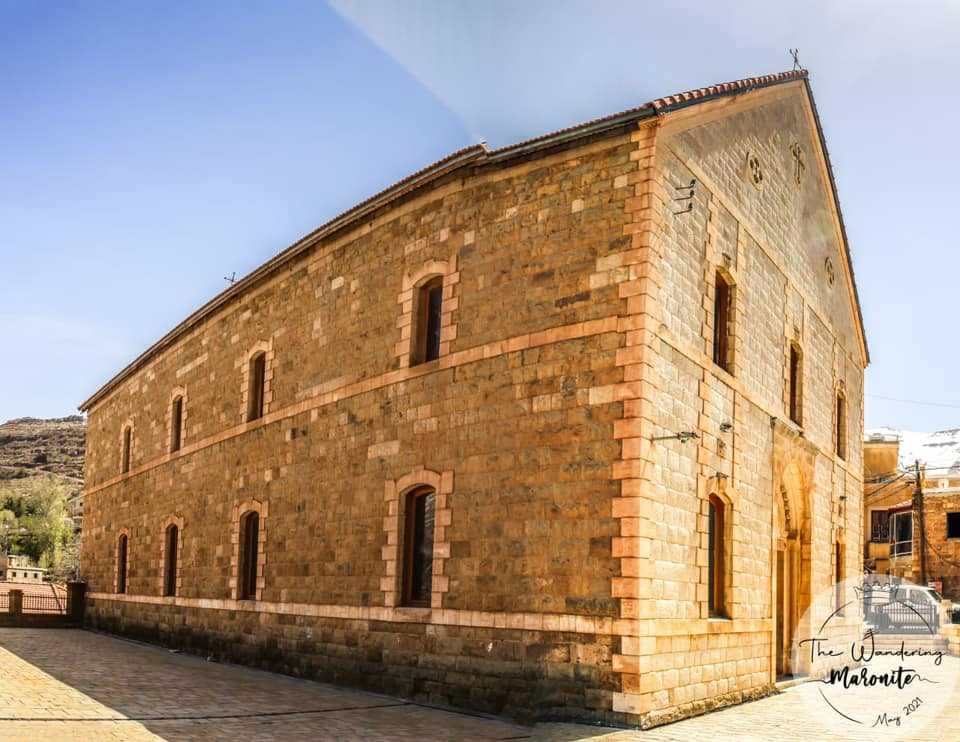
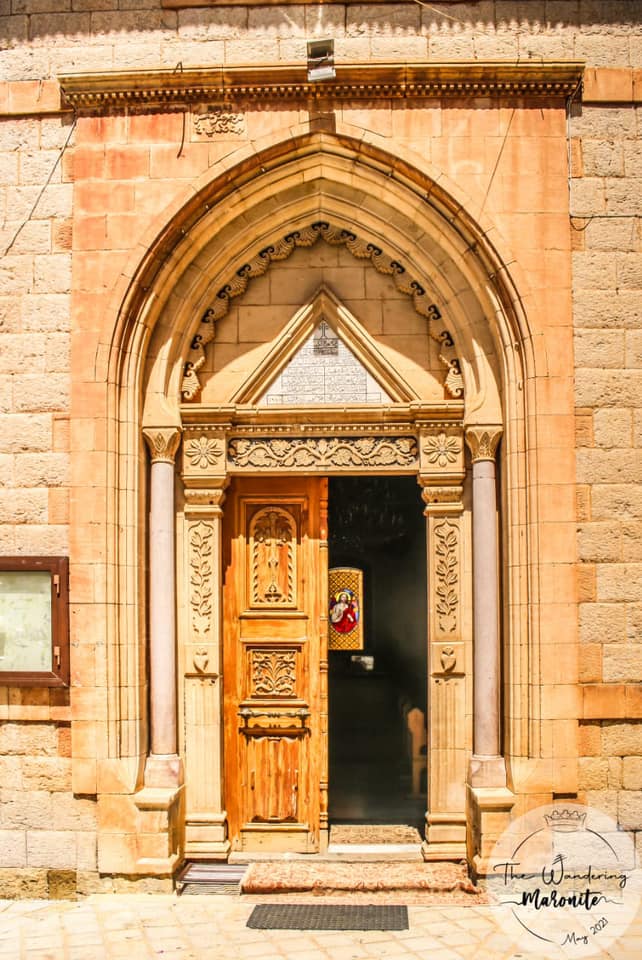
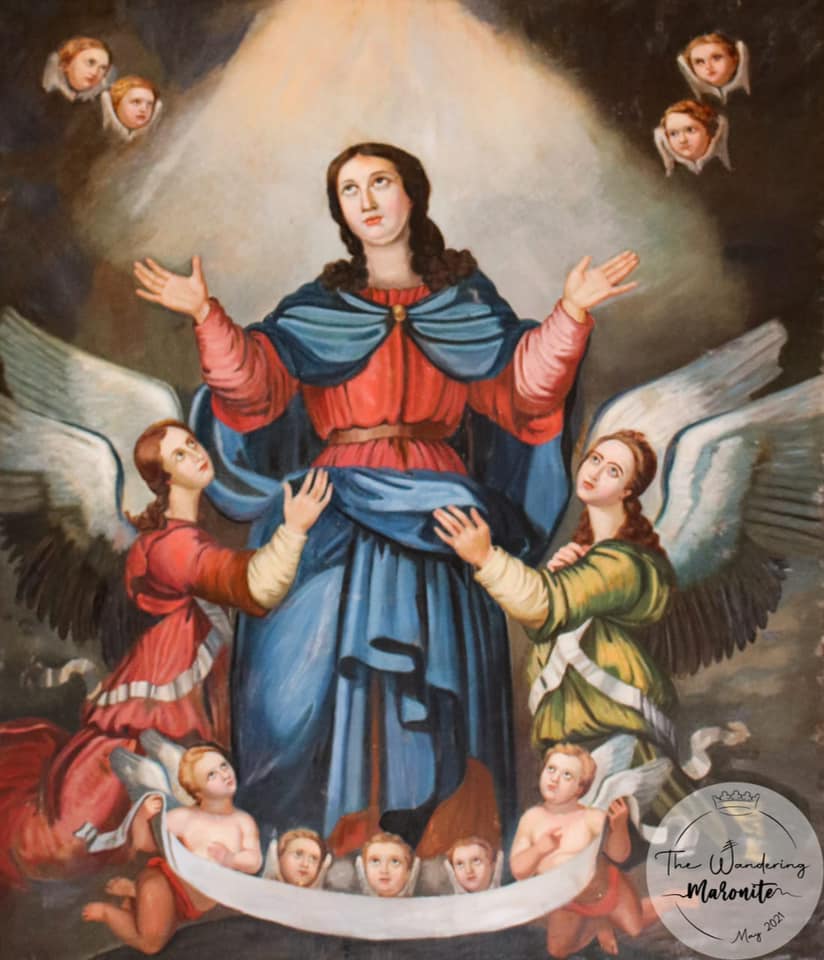
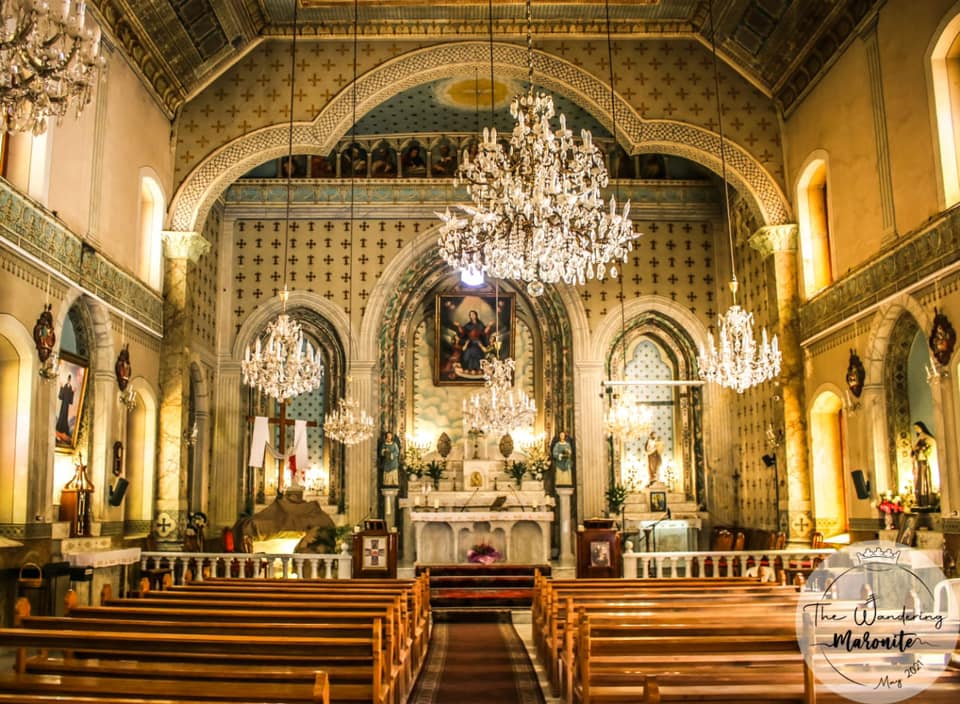
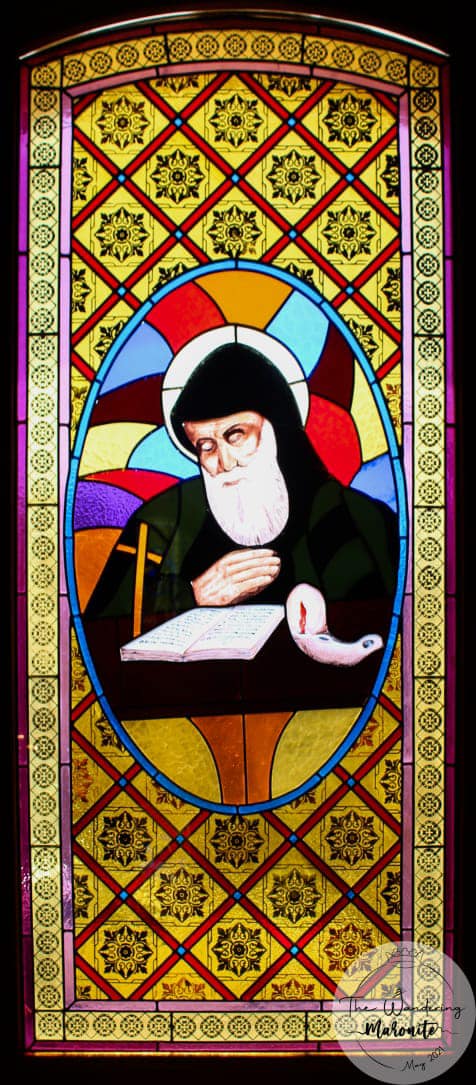
كنيسة سيّدة الإنتقال الجديدة - بقاع كفراهي الكنيسة الرعائيّة الجديدة. بُنيت على سطح الكنيسة القديمة، سنة ١٩٢٥. تجمع بين القديم والحديث. مسقوفة بالقرميد من الخارج، أمّا من الداخل، فسقفها بغداديّ. تتألق الكنيسة سوق واحدة، وتحتوي على رسومات وصُوَر وزخارف ونقوش على جدرانها، وزجاجيّات على شبابيكها.The New church of Our Lady of Assumption - Bekaa KafraThe new parish church of Our Lady was built on top of the old one in 1925, and consists of one nave. The walls are lavishly decorated with frescoes mouldings and arabesques. The roof is of local type of decoration called Baghdady. The church also contains beautiful stained glass windows.
Saint Maron - Jezzine رعيّة مار مارون - جزّين, Jezzine, Lebanon
كنيسة مار مارون
Jezzine
Jezzine
South
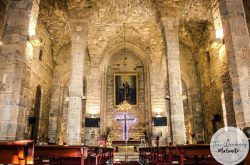
كنيسة مار مارون - جزّين بنيت الكنيسة بسعي أهالي البلدة سنة ١٨٦٨ على أنقاض الكنيسة الأولى التي خَربَت بعد أحداث ١٨٦٠. هي كنيسةٌ كبيرةٌ مبنيّةٌ على النمط البازيليكيّ بثلاث أسواق، وعقدها يُعدّ الأعلى في كنائس جبل لبنان القديم. اللوحة من عمل الرسّام داوود القرم.
The church of St Maroun - Jezzine The church was built by the locals in 1868 to replace the old church that was devastated in the war of 1860. It is a big church with a basilical design and the highest vault in XIXth century Mount Lebanon. The painting of St Maroun is the work of Dawoud el Qorm.
كنيسة الطوباوي، (ابونا يعقوب), Deir El Qamar, Lebanon
الصليب
Deir El-Qamar
Chouf
Mount Lebanon
الصليب - دير القمر
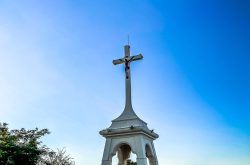
سنة ١٩٢٩ قَرَّرَ الطوباويّ ّيعقوب الكبوشي بناء نُصُب الصليب على أعلى تلّة في دير القمر في محلّة كانت تُعرف بقلعة صور. وكان الهدف من البناء أن يُرفع صليب فوق مثوى من ماتوا دون جنازة في حرب سنة ١٩١٤، وأن يكون الصليب مواجهًا لبلدة بعقلين علامةً لحبّ المسيح لأبنائها ورحمته تجاههم على حدّ قول الأب يعقوب. وهَبَ الأرض لهذا المشروع ألمُثَلَّث الرحمات المطران أوغسطينوس البستاني رئيس أساقفة صيدا. إنتهت ألأشغال ببناء كنيسة صغيرة ترتفع عليها قاعدة يرتكز عليها الصليب، وقد تبرعت ١٤ عائلة من دير القمر ببناء مراحل درب الصليب تُحيط بالنُصب. وفي ١٤ أيلول سنة ١٩٣٢ تَمَّ تكريس المقام. تعرّض للتخريب خلال الحرب الأهليّة وأعيد ترميمه .
The Cross - Deir el Qamar
In 1929 Blessed Fr Jacob Haddad OFM, decided to build a cross on a hill called Qalaat Sour in Deir el Kamar. His ambition was lead by a desire to have a cross raised over all those who died in the war of 1914 without a proper burial, and that the cross would be facing the town of Baakline to be a sign of the Lord’s love and mercy towards its citizens. To accomplish this noble project, the bishop of Sidon Mgr Agustin el Boustany donated the land. A small chapel was built and over it the cross was raised. To help with the project, 14 families from the town donated to build the stations of the cross. The shrine was inaugurated and consecrated on the 14th of September 1932. The shrine was sabotaged during the civil war and restored during peace times.
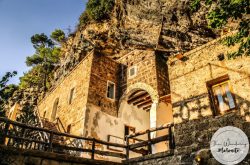
هو من أهمّ وأقدم الأديار الأثريَّة في الوادي المقدّس. كان الكرسيّ البطريركيّ للكنيسة المارونيَّة من القرن الخامس عشر حتَّى القرن التاسع عشر. أعطى اسمه لجزء من وادي قاديشا أي وادي قنّوبين، ومعناه من اليونانيّة الشركة. بحسب تقليد الكنيسة المارونيَّة، أسَّس هذا الدير تاودوسيوس الكبَّادوكيّ، في القرن السادس. أمَّا تقليد الكنيسة السريانيَّة الأرثوذكسيَّة فيذكر أنَّ الإمبراطور تاودوسيوس الأوَّل، في القرن الرابع، بنى كنيسة سيِّدة قنُّوبين. هذان التقليدان ليسا إلاَّ إثباتًا على قِدَم الدير وأهمِّيَّته بالنسبة إلى تاريخ الكنيسة في لبنان. يذكر التقليد أن القدّيسة مارينا سكنته وماتت ودفنت في المغارة المجاورة. إنتقل إليه البطريرك يوحنّا الجاجيّ على إثر تنكيل والي طرابلس بالموارنة. فأصبح مقرًّا بطريركيًّا. جداريّات الكنيسة الأساسيّة مرسومة على عدّة مراحل من القرن العاشر وصاعدًا. جداريّات المذابح: الشفاعة، مار يوسف ومار دانيال، وجداريّة تكليل السيّدة هي من عمل الراهب اللبنانيّ بطرس القبرصيّ.
The monastery of our Lady of Qannoubin - Qannoubin
The monastery is one of the most important religious sites for the Maronite church. Two traditions narrate its history both attesting the great history behind it: the Maronite tradition dates it back to the VIth century with Theodosius the Cappadocien. The Syriac tradition dates it back to the IVth century when the Byzantine emperor Theodosius the first built a church dedicated for the Madonna in Qannoubin. The frescoes of the main church were done layer over layer starting the Xth century up until the XVIth century when Boutros el Qobersy the Lebanese monk painted the three apses frescoes: the Deisis, St Joseph and St Daniel, and the frescoe of the coronation of the Virgin.



Reviews are disabled, but trackbacks and pingbacks are open.